
Equipment Buying Guide
Choose gear for purposeful progress.
A practical framework for comparing strength, conditioning, mobility, Pilates, yoga and recovery equipment by training goal, available space, resistance level, handling and long-term use.
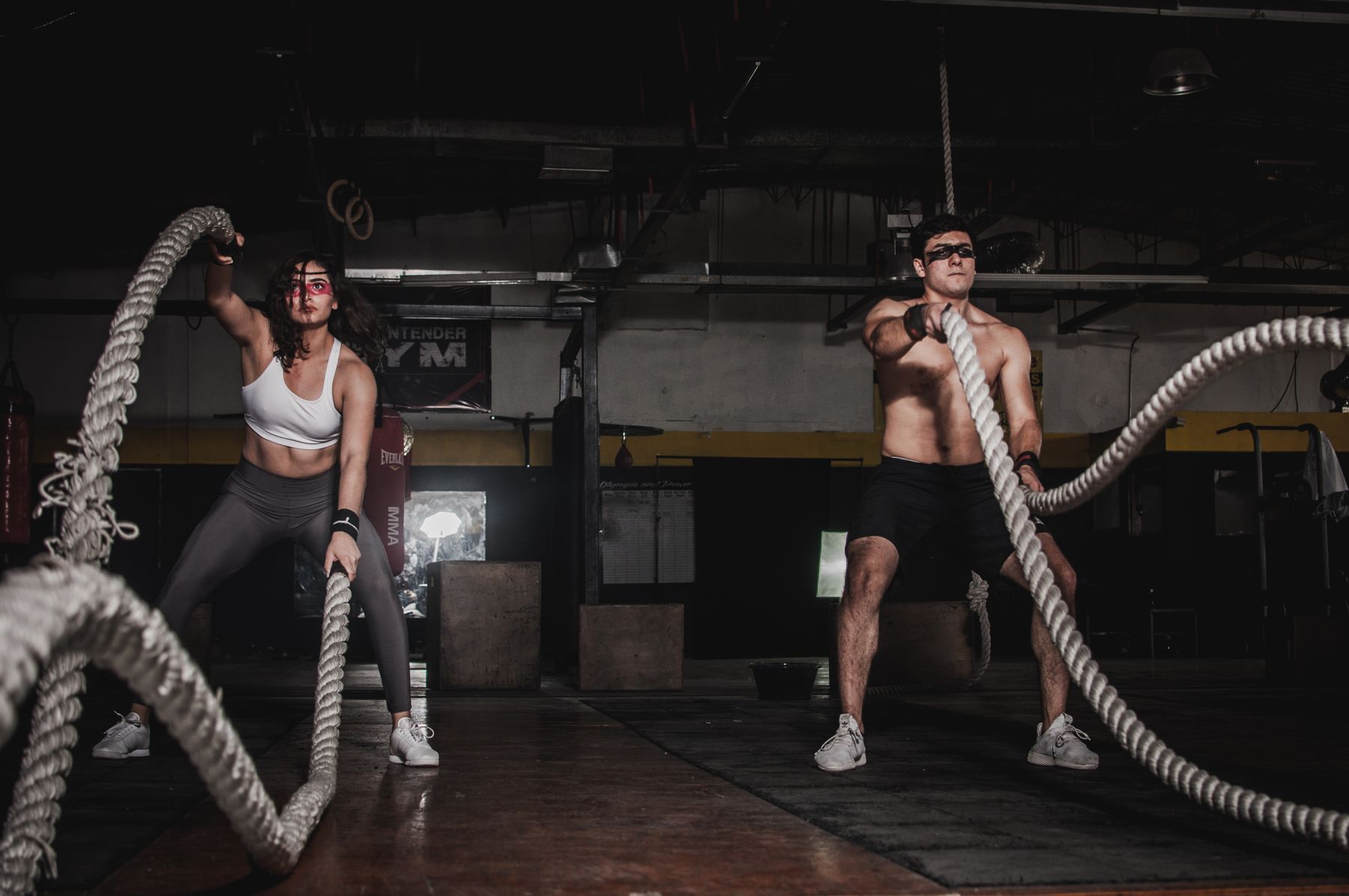
Start with four clear decisions.
Equipment becomes easier to compare when you define how it will be used. Begin with the movement, resistance, space and handling requirements that matter to your routine.
Define the movement
Decide whether the equipment supports lifting, cardio conditioning, core control, balance, stretching, yoga, Pilates or post-training recovery.
Choose usable resistance
Select a range that supports controlled technique now while leaving room to adjust load, tension, tempo or movement complexity over time.
Measure the setup
Consider floor space, movement clearance, storage, ceiling height and the surface beneath the equipment before choosing larger training tools.
Check grip and contact
Review handle shape, surface texture, strap adjustment, mat cushioning and support fit so the product feels stable during intended movements.
Match equipment to the work you want to do.
A versatile setup does not need every product category. Prioritize equipment that supports your most frequent movement patterns and complements what you already use.
Strength Development
Build a load-based setup for pressing, pulling, squatting, carrying and controlled resistance work.
- Dumbbells and adjustable sets
- Barbells, plates and accessories
- Kettlebells and lifting support
Cardio Conditioning
Select equipment that supports repeatable intervals, rhythm, footwork and controlled increases in training duration.
- Jump ropes and aerobic platforms
- Steppers and cycling accessories
- Rowing and interval accessories
Functional and Core
Create varied sessions with equipment that encourages movement control, coordination, power and multi-directional work.
- Medicine balls and sandbags
- Suspension and bodyweight tools
- Balance trainers and plyometric boxes
Yoga and Pilates
Focus on stable floor contact, comfortable support and accessories that help refine position, reach and control.
- Yoga and exercise mats
- Blocks, straps and props
- Pilates rings, balls and trainers
Mobility and Recovery
Add tools for gentle movement preparation, stretching routines and controlled self-massage after training.
- Foam and massage rollers
- Massage balls and release tools
- Stretching and flexibility equipment
Look beyond the product name.
Dimensions, adjustment range, surface design and storage needs often matter more than adding another feature to the specification list.
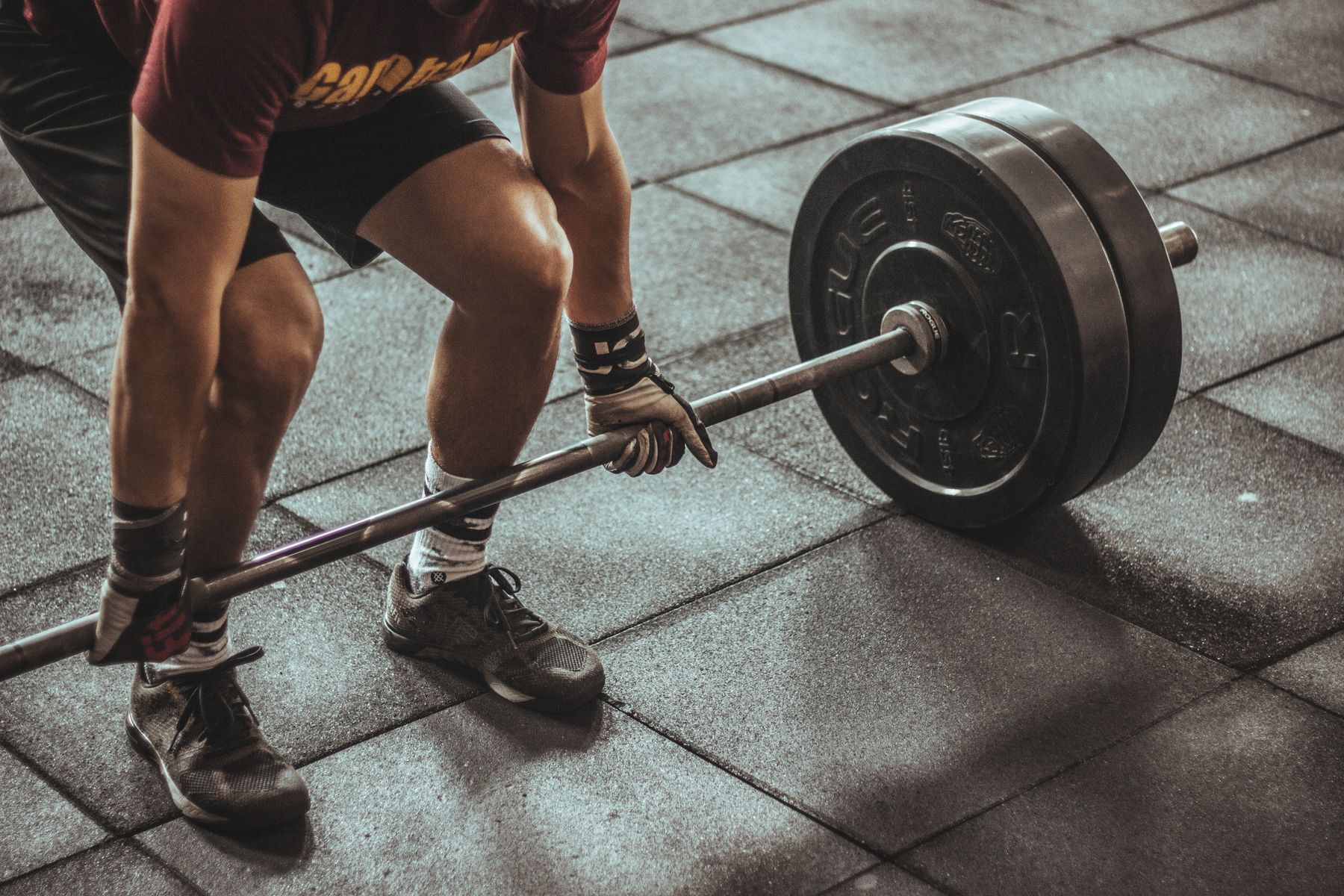
Choose a range you can control.
More resistance is not automatically more useful. The right selection supports stable technique across your intended exercises and allows practical progression without making every session unnecessarily complex.
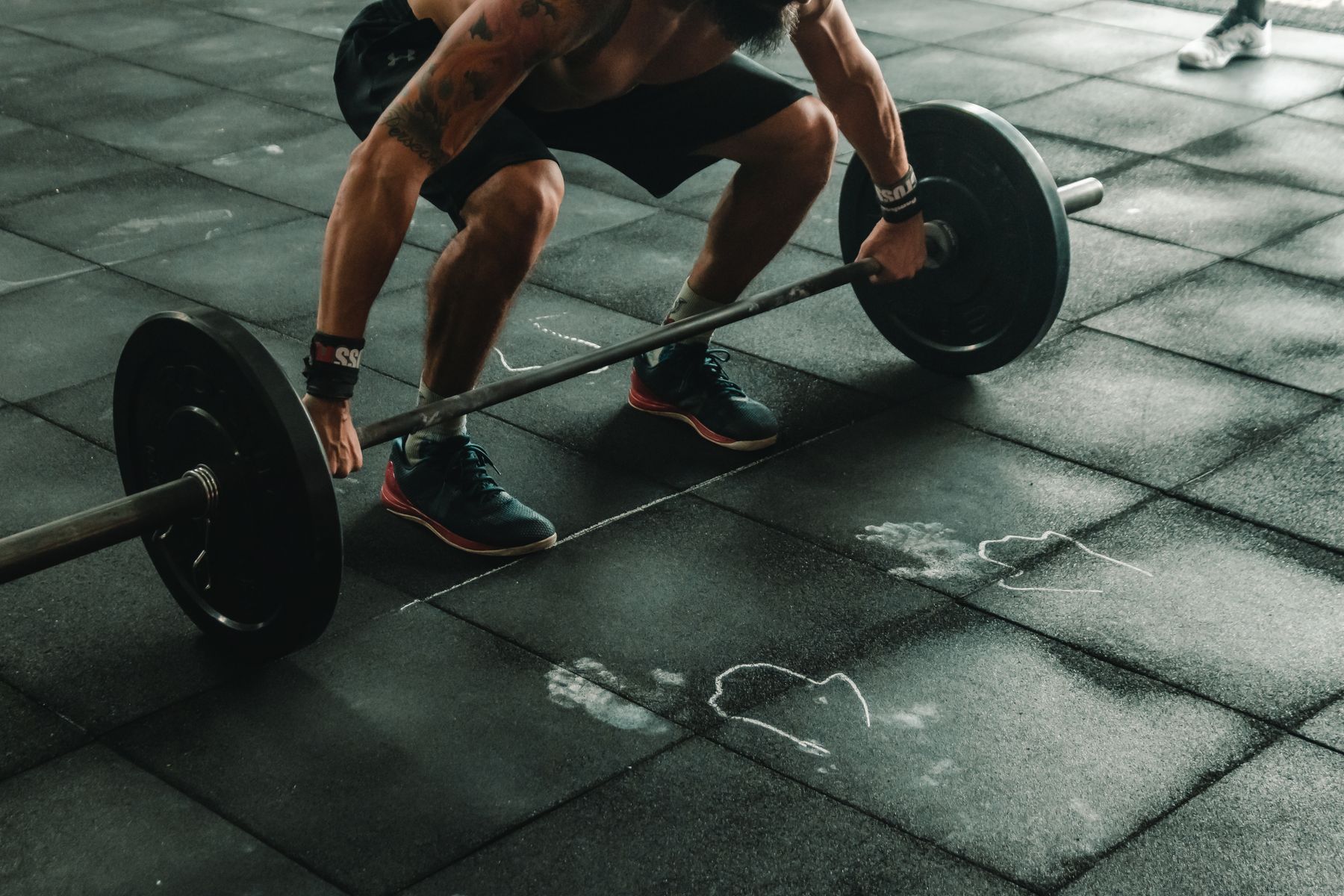
Measure movement, not only storage.
The product footprint is only part of the setup. Allow room for your stance, arm path, jumping pattern, floor exercises and safe access around equipment before assigning a permanent training area.
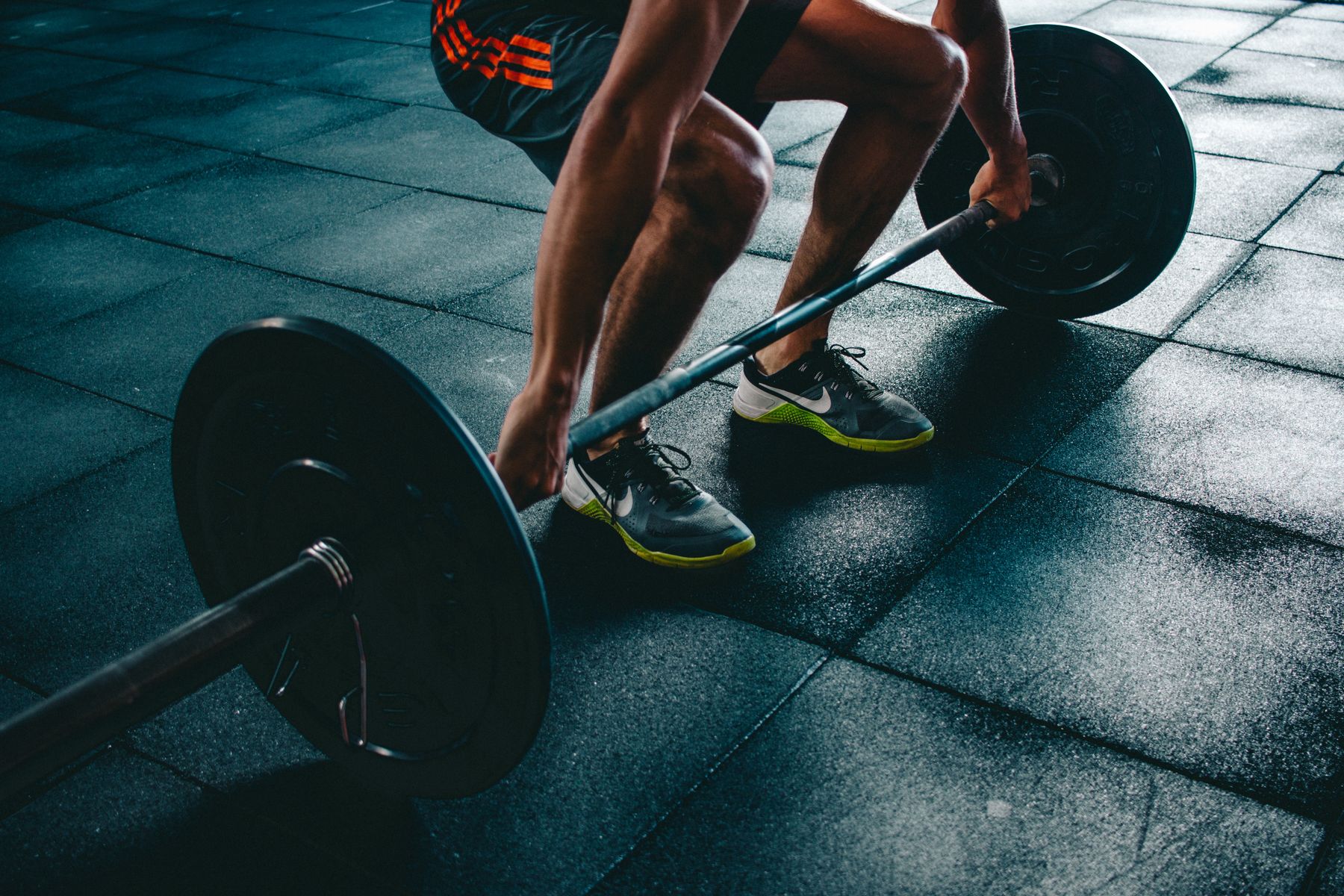
Review every point of contact.
Handles, straps, mats, rollers and support products all interact differently with the body. Check dimensions and adjustment details instead of relying on a general product category alone.
What to check in each equipment family.
Use these category-specific checkpoints to narrow your selection before comparing individual products.
Dumbbells, Barbells and Kettlebells
Prioritize usable load range, grip dimensions, plate compatibility and practical storage.
Bands, Expanders and Suspension Trainers
Compare tension range, working length, anchor options and attachment construction.
Jump Ropes, Steppers and Aerobic Platforms
Focus on rhythm, platform stability, adjustment method and available movement clearance.
Medicine Balls, Sandbags and Balance Trainers
Match equipment shape and load to the throws, carries, rotations or balance drills you intend to perform.
Yoga, Pilates and Stretching Equipment
Select dimensions and support characteristics that match your floor work, reach and preferred practice.
Rollers, Massage Balls and Training Support
Compare firmness, shape, contact area and fit according to how the product will be used.
Create a setup that fits your routine.
A focused equipment selection is often more useful than a crowded room. Choose the setup model that reflects how often you train and how much space remains available between sessions.
Compact Corner
A flexible option for smaller rooms, shared spaces or equipment that must be stored after each session.
- Resistance bands and expanders
- Jump rope and exercise mat
- One or two versatile free-weight options
- Massage ball or compact roller
Prioritize portability and quick storage.
Flexible Home Setup
A balanced selection for regular strength, conditioning and mobility sessions in a dedicated area.
- Dumbbell or kettlebell range
- Aerobic platform or functional trainer
- Yoga and stretching accessories
- Organized recovery and support tools
Prioritize variety without unnecessary duplication.
Dedicated Training Room
A structured option for broader resistance ranges, larger functional tools and permanent storage.
- Barbells, plates and lifting accessories
- Plyometric and conditioning equipment
- Agility, suspension and core tools
- Separate mobility and recovery station
Prioritize movement clearance and equipment organization.
Your buying checklist.
Review these details before adding equipment to your setup. Product-specific measurements should always guide the final choice.
Identify the movement or routine the product needs to support most often.
Choose specifications that match current control and practical progression.
Confirm assembled size, usable length, diameter, height and storage footprint.
Leave enough room for stance, arm path, stepping, jumping and floor work.
Review handle texture, mat grip, platform contact and support materials.
Check how load, length, tension, height or fit changes between exercises.
Decide where the equipment will remain accessible when not in use.
Consider routine wiping, dry storage, surface checks and hardware inspection.
Clear answers before you choose.
Use these general guidelines alongside the measurements, materials and care information shown for each product.
Should I begin with fixed or adjustable weights?
How do I select a resistance band level?
What matters when choosing an exercise mat?
How much room should I leave around equipment?
How should I compare foam rollers and massage balls?
What should I check when choosing gloves, belts or lifting straps?
Select equipment with a clear role in your routine.
Explore strength, conditioning, functional movement, yoga, Pilates, mobility and recovery equipment designed for focused home training and refined gym preparation.