
Product Care Guide
Keep your equipment ready to move.
Simple cleaning, regular inspection and thoughtful storage can help training equipment remain organized, comfortable to use and prepared for consistent sessions.
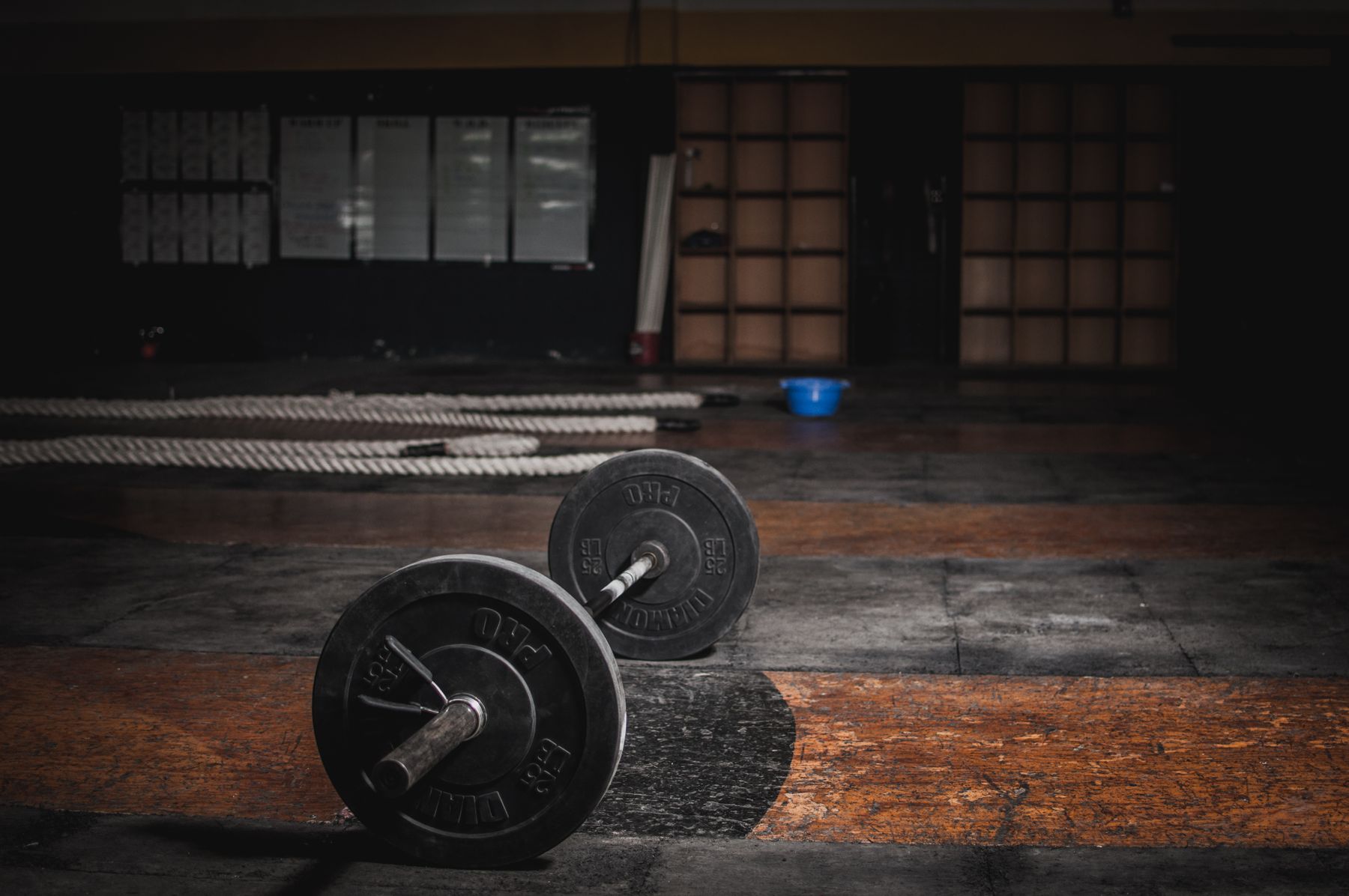
Review the individual product instructions and avoid soaking equipment, enclosed mechanisms or materials that are not designed for full water exposure.
Four habits for a cleaner training setup.
Product care does not need to be complicated. A consistent routine focused on surface cleaning, inspection, drying and storage can keep the training area easier to use.
Use gentle cleaning
Start with a soft cloth and a small amount of mild cleaning solution suitable for the product material. Avoid abrasive tools and aggressive chemicals.
Inspect before use
Look for loose fittings, surface damage, worn fabric, stretched bands, damaged stitching or unusual movement before beginning a session.
Dry completely
Remove surface moisture and allow equipment to air dry before storage. Do not close damp mats, straps, gloves or supports inside a container.
Store with purpose
Keep equipment away from unnecessary moisture, direct heat and crowded storage positions that can bend, crush or deform the product.
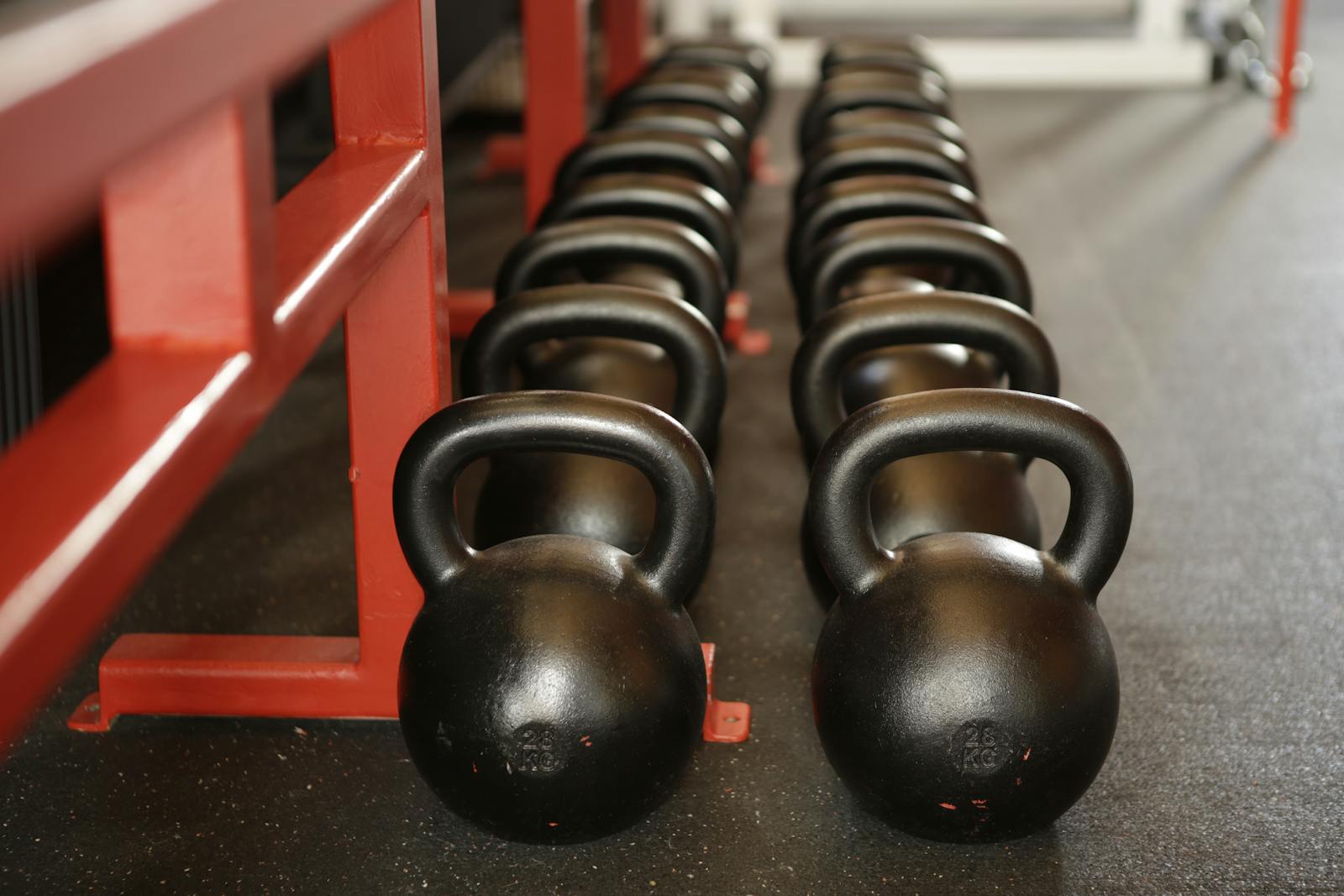
Care for loaded equipment with regular checks.
Dumbbells, kettlebells, barbells, plates and weighted accessories should remain clean, dry and stored in a stable position. Pay particular attention to handles, collars, attachment points and protective coatings.
- Wipe handles and frequently touched areas with a soft, slightly damp cloth after use.
- Inspect adjustable parts, collars and fasteners for movement before adding resistance.
- Place weighted equipment on stable storage rather than leaving it where it can roll, fall or block a walkway.
- Do not use a product if a handle, attachment, plate or locking component appears damaged or unstable.
Match the routine to the product material.
Different equipment types require different handling. Use the following guidance as a practical starting point and follow any product-specific instructions supplied with the item.
Resistance bands and expanders
Flexible resistance products should remain free from sharp edges, unnecessary stretching and prolonged heat exposure.
- Wipe with a soft damp cloth and dry flat.
- Check for thinning, cuts or surface cracking.
- Store loosely without tight knots or folds.
Yoga and exercise mats
Mats benefit from light surface cleaning and complete drying before they are rolled or placed into storage.
- Use a cloth with a mild material-compatible cleaner.
- Allow both sides to air dry fully.
- Roll without placing heavy items on top.
Medicine balls and sandbags
Loaded functional equipment should be checked for surface wear, damaged seams and secure closures.
- Wipe the outer surface after training.
- Inspect stitching, handles and closures.
- Store away from sharp or rough surfaces.
Foam rollers and massage tools
Recovery tools should remain clean, dry and free from surface damage that can affect their texture or shape.
- Wipe with a soft cloth after contact with skin.
- Avoid soaking foam or enclosed components.
- Store where the surface will not be compressed.
Gloves, straps and supports
Fabric and wearable accessories need airflow after use and regular inspection around seams, closures and high-contact areas.
- Allow the item to dry fully before storage.
- Follow the product label for washing guidance.
- Check stitching, hook-and-loop areas and straps.
Jump ropes and agility tools
Conditioning accessories should be stored without tight bends and checked for wear at handles, connectors and contact points.
- Remove dirt from ropes, cones and ladder straps.
- Check connectors and handles before training.
- Coil ropes loosely rather than folding sharply.
Reset your equipment in four steps.
A short post-training reset can make inspection and organization easier. Keep cleaning materials nearby so the routine becomes part of the session.
Remove surface moisture
Use a clean cloth to remove moisture, dust and visible residue from handles, mats and frequently touched surfaces.
Inspect key areas
Check closures, stitching, connectors, handles and moving components for changes that may require attention.
Allow full drying
Give mats, gloves, straps and supports enough airflow before rolling, stacking or placing them in closed storage.
Return items carefully
Place equipment back in its assigned position without crushing flexible products or leaving heavy items unstable.
Clean gently and preserve the original shape.
Yoga mats, Pilates props, stretching straps and balance equipment are often made from flexible or textured materials. Avoid aggressive scrubbing, harsh solvents and storage under heavy objects.
- Test any cleaner on a small, less visible area when material compatibility is uncertain.
- Dry mats and props away from excessive direct heat that could affect texture or shape.
- Store straps untangled and avoid placing pointed equipment against soft surfaces.

Use a schedule that fits your training routine.
Equipment used frequently may need attention more often. Increase inspection and cleaning whenever products are shared, used outdoors or exposed to more moisture and dust.
Protect equipment between sessions.
Good storage keeps the training area clear while reducing unnecessary pressure, bending and exposure. Organize products according to weight, material and frequency of use.
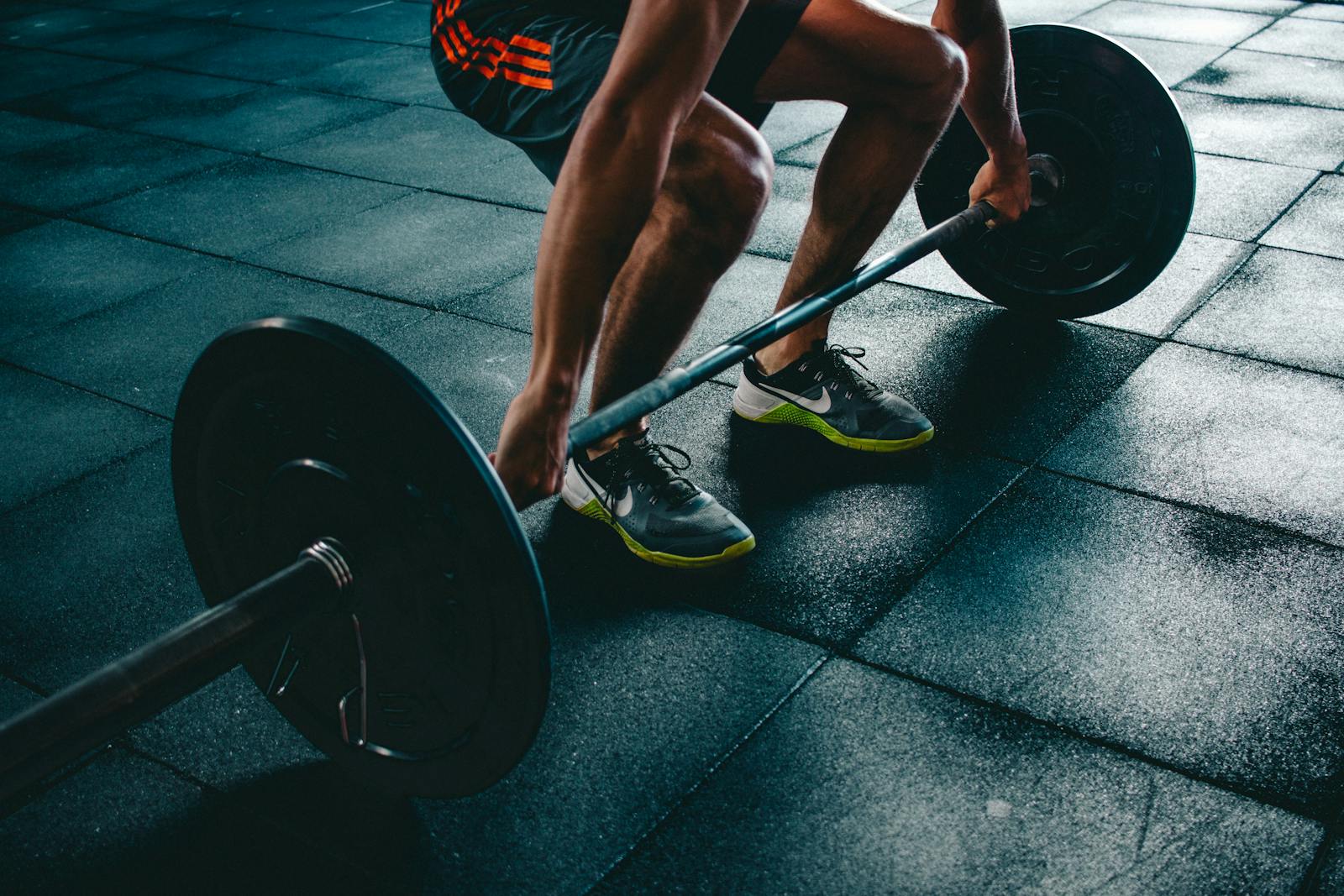
Weighted and rigid equipment
Position dumbbells, kettlebells, plates and weighted balls on stable flooring or suitable storage. Keep heavier pieces low and avoid unstable stacking.

Flexible and fabric equipment
Store mats, bands, straps, gloves and supports only after they are dry. Avoid sharp folds, tight knots and compressed storage beneath heavy equipment.
Always follow the individual product instructions.
Materials, finishes and construction methods can vary. When product-specific care guidance differs from this general guide, use the instructions supplied with the product. Stop using equipment that appears damaged, unstable or unsuitable for continued use.
Practical answers for everyday equipment care.
Use gentle methods, avoid unnecessary moisture and inspect equipment regularly. When uncertain, refer to the product instructions or contact Trainora support.
Can I use household cleaner on training equipment?
Should exercise mats be rolled immediately after cleaning?
How should resistance bands be stored?
What should I check on lifting straps and workout gloves?
When should equipment no longer be used?
Where can I ask a product care question?
Keep every training zone clean, organized and prepared.
Explore equipment for strength, conditioning, functional movement, yoga, Pilates, mobility and recovery, or contact Trainora with a product care question.