
Mobility & Recovery Tips
Mobility & Recovery Tips for More Consistent Training
Thoughtful movement before, between and after training can help you approach each session with better control. Build a practical routine around mobility tools, stretching equipment and recovery accessories that fit your space and training style.
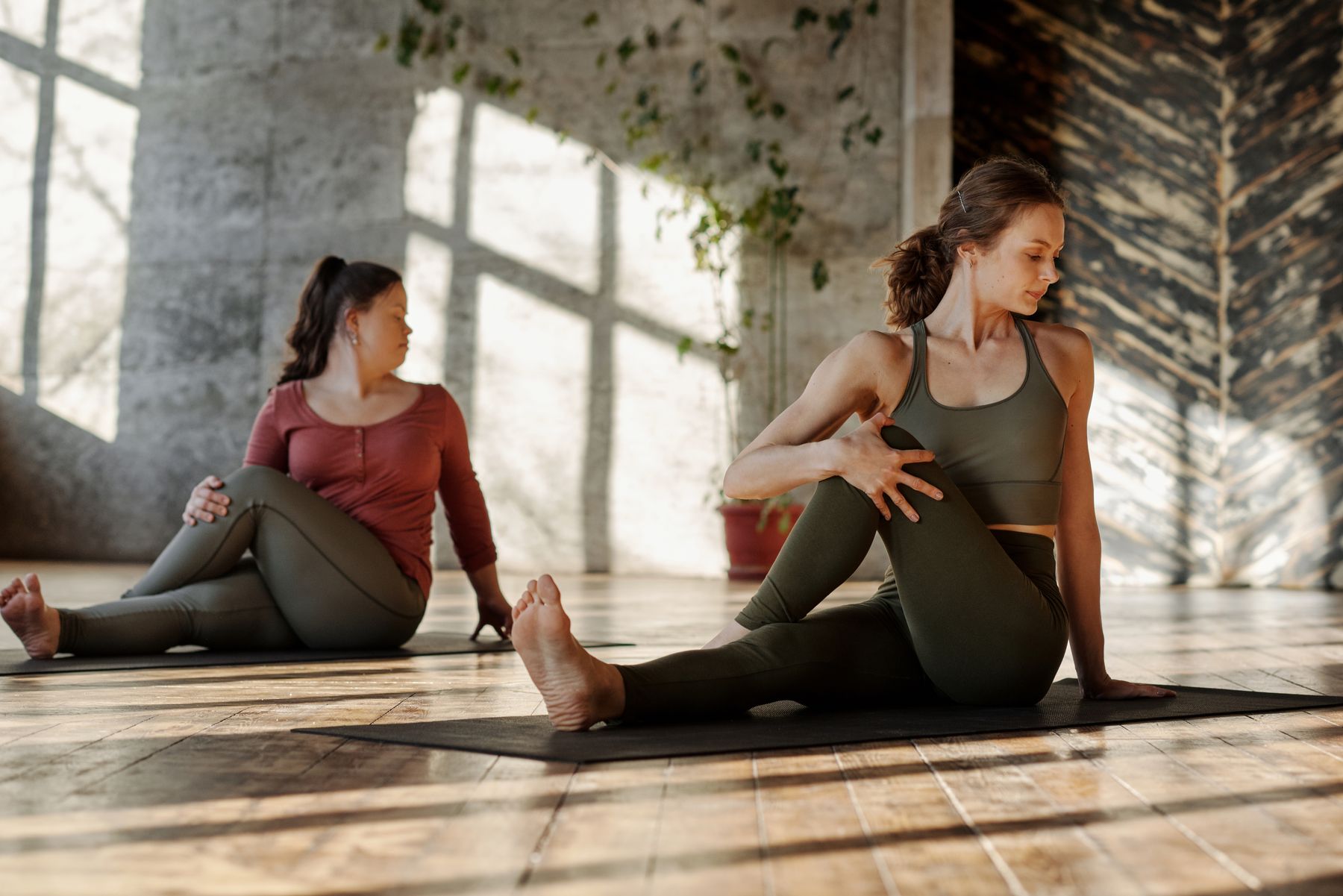
Mobility belongs inside the training plan.
A useful routine does not need to be complicated. Focus on movements that relate to the session ahead, use equipment with control and give your body enough time to settle after demanding work.
Move with a clear purpose
Choose movements that support the joints, positions and equipment involved in your planned session.
Keep the pace controlled
Smooth repetitions make it easier to notice range, balance and tension without rushing through the movement.
Respond to the session
A strength day, conditioning session and yoga practice may each benefit from a different preparation sequence.
Build a repeatable habit
A short routine performed consistently is often easier to maintain than an occasional, overly complex sequence.
A simple three-part approach
Organize mobility and recovery around the demands of your training instead of treating them as disconnected activities.
Prepare
Begin with gradual movement, light resistance and position-specific drills. The goal is to feel organized before adding speed or load.
Before trainingReset
On lighter days, use easy mobility, balance practice or gentle rolling to reconnect with controlled movement patterns.
Between sessionsRecover
Finish demanding sessions with slower breathing, comfortable ranges and simple tools that support a gradual return to rest.
After training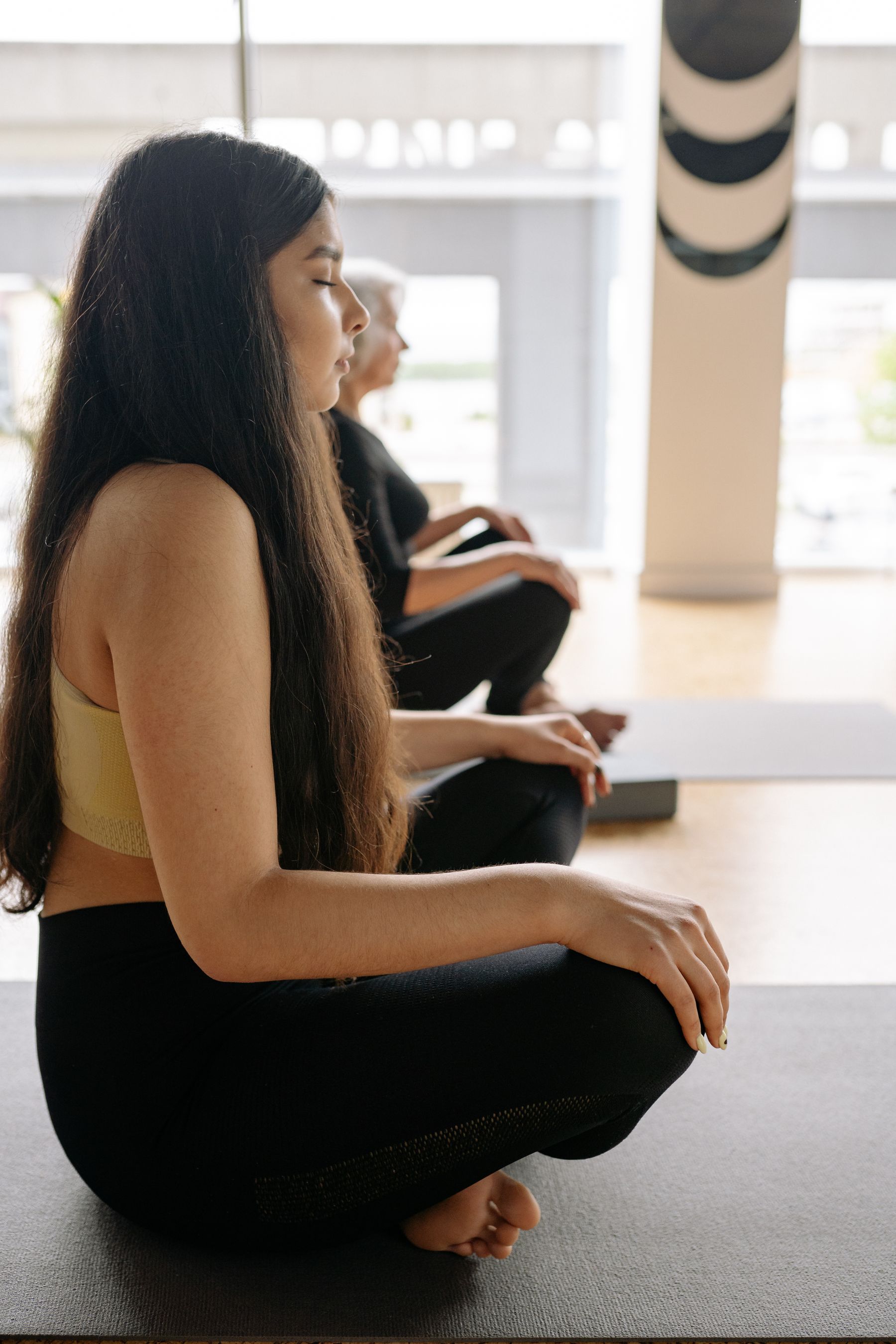
Move through the positions your session needs.
Mobility work is most practical when it connects directly to the equipment and movement patterns you plan to use. Select a few areas, work through comfortable ranges and keep each repetition steady.
- 01 Ankles and lower legs Use a mat, wedge or light support to explore controlled forward movement and balanced foot pressure.
- 02 Hips and trunk Combine floor positions, yoga blocks or light resistance bands with slow rotation and stable breathing.
- 03 Upper back and shoulders Use straps, bands or a light training bar to rehearse overhead positions without adding heavy load.
- 04 Integrated movement Finish with a controlled squat, hinge, reach or rotation that resembles the upcoming session.
Use recovery tools with patience and control.
Foam rollers, massage rollers and muscle release tools are most useful when the pressure remains manageable. Move slowly, avoid forcing sensitive areas and give yourself room to adjust the position.
- 01 Start with broad contact Use a foam roller or larger massage roller before moving to a smaller, more focused tool.
- 02 Keep the pressure adjustable Support part of your body weight with your hands or another limb so you can reduce intensity when needed.
- 03 Use short, deliberate passes Work within a small area rather than rolling quickly across the entire muscle group.
- 04 Return to easy movement Follow rolling with relaxed joint movement, comfortable stretching or a brief walk.
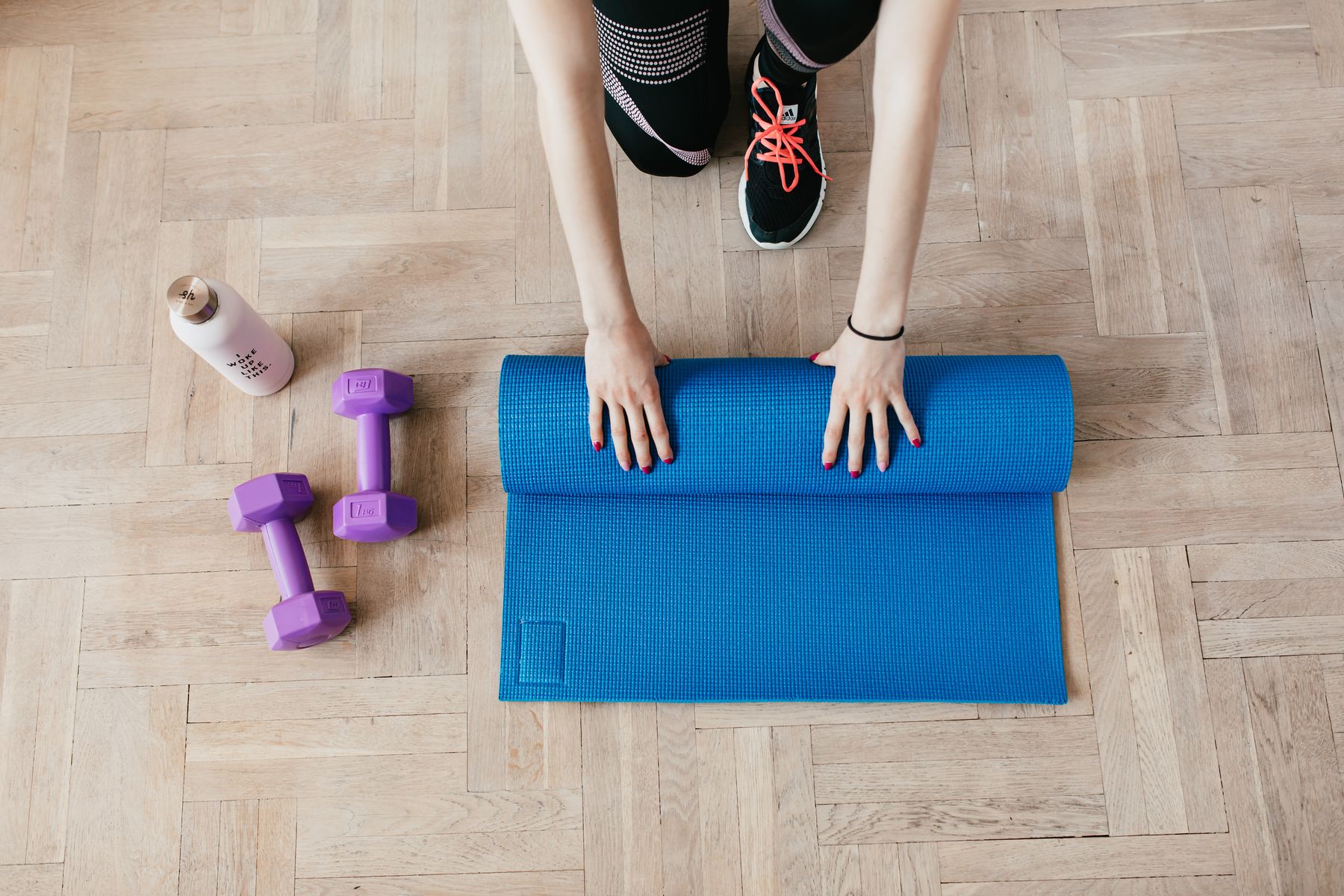
Choose the tool by the task.
Different tools offer different levels of support, resistance and contact. Start with equipment that is easy to control and appropriate for your available training space.
Exercise and yoga mats
Create a stable surface for floor mobility, stretching, core control, yoga and Pilates practice.
Useful for daily movement routinesYoga blocks and straps
Add reach, height or light assistance while maintaining a comfortable and organized position.
Useful for controlled range workResistance bands
Support activation drills, shoulder preparation, hip control and low-load movement practice.
Useful before strength sessionsFoam and massage rollers
Provide a larger contact area for slower rolling across the legs, upper back and other broad muscle groups.
Useful after demanding trainingMassage balls and release tools
Offer more focused contact for areas that are difficult to reach with a larger roller.
Useful for precise positioningJoint supports and training accessories
Select knee, wrist or joint support according to fit, training demand and the product instructions provided.
Useful for planned equipment setupsTwo routines to keep nearby
Adjust the order and equipment to match your session. Keep every movement comfortable, controlled and easy to repeat.
Preparation sequence
-
1
Easy full-body movement
Walk, cycle lightly or use an aerobic platform at a comfortable pace.
-
2
Joint-specific mobility
Move the ankles, hips, upper back and shoulders through controlled ranges.
-
3
Light resistance practice
Use bands or a light training tool to rehearse the pattern planned for the session.
-
4
Gradual working sets
Increase load or speed progressively instead of moving directly into demanding work.
Preparation should leave you feeling organized and ready, not tired before the main session begins.
Recovery sequence
-
1
Reduce the pace gradually
Finish with a short period of easy walking, cycling or relaxed movement.
-
2
Choose one broad recovery tool
Use a foam roller or massage roller with manageable pressure and slow passes.
-
3
Return to comfortable mobility
Use a mat, blocks or strap for simple positions that do not require force.
-
4
Store and inspect equipment
Wipe down your tools, check visible wear and return each item to a clean, dry place.
Recovery work should feel steady and manageable. Stop any movement that feels sharp, unstable or inappropriate for you.
Use support equipment with intention.
Training supports should complement a considered setup, not replace controlled technique or appropriate equipment selection.
A support should sit securely without creating unnecessary pressure, slipping or restricting normal movement.
Review the recommended use, adjustment method, care guidance and any product-specific limitations before training.
Look for loose stitching, damaged closures, surface wear or changes that could affect the way the equipment performs.
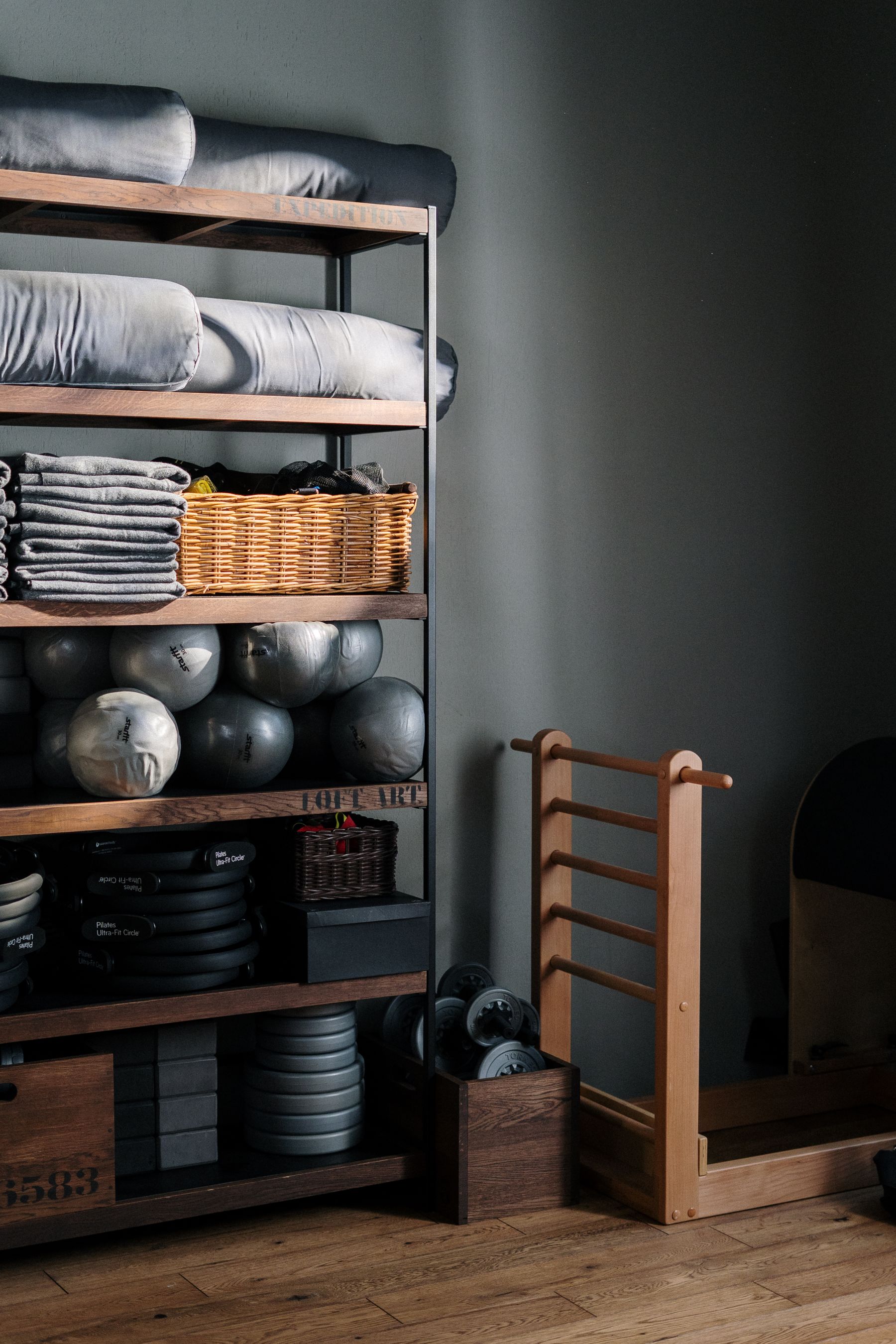
Make the routine easy to repeat.
A practical setup removes unnecessary decisions. Keep frequently used mobility and recovery equipment clean, visible and ready for the next session.
- Store mats flat or loosely rolled in a dry area.
- Keep bands away from sharp edges, heat and direct sunlight.
- Wipe rollers, blocks and massage tools after use.
- Separate clean recovery tools from outdoor or heavily used training equipment.
- Replace equipment that shows significant cracking, tearing or structural damage.
Mobility and recovery FAQ
Use these answers as general equipment guidance. Your routine should remain appropriate for your experience, training plan and personal needs.
Should mobility work happen before or after training?
How much pressure should I use with a foam roller?
What is the difference between a roller and a massage ball?
Do I need several mobility tools?
How should resistance bands be inspected?
When should I replace mobility or recovery equipment?
Select equipment that supports purposeful movement.
Explore Trainora equipment for mobility, flexibility, yoga, Pilates, muscle release and focused training preparation. For help choosing a suitable category, reach our support team through the contact page.