
Sustainability
A More Considered Approach to Training Equipment
Sustainability at Trainora begins with practical decisions: choosing equipment for a clear purpose, caring for it correctly, extending its useful life and avoiding claims that cannot be supported. We are building a training destination that values thoughtful selection over unnecessary consumption.
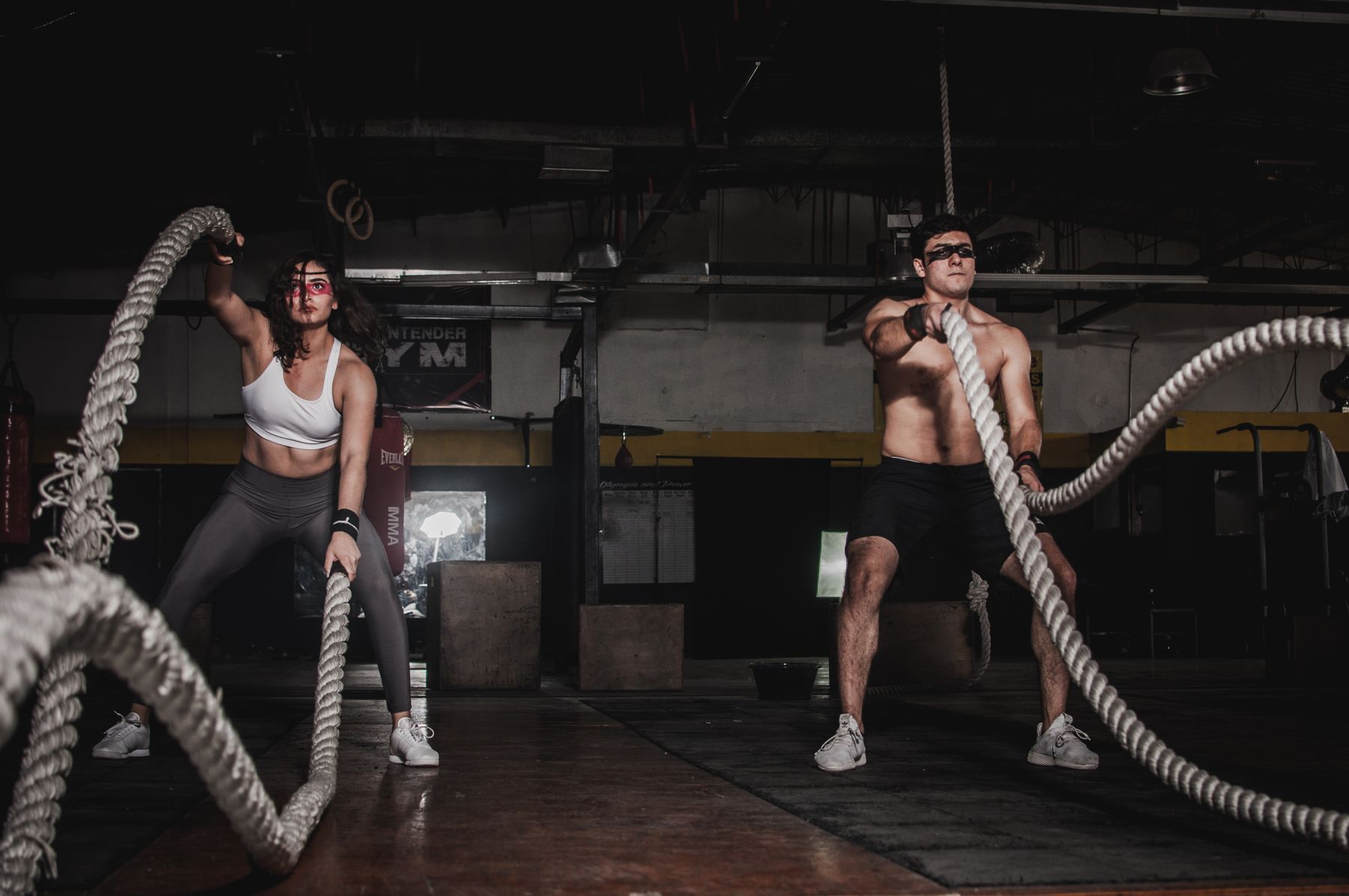
What sustainability means to Trainora
It is not a single label, material or marketing statement. It is an ongoing way of evaluating products, packaging, care and communication.
Training equipment is made to be handled, loaded, stretched, rolled, stored and used repeatedly. For us, a more responsible approach starts by helping customers select tools that genuinely fit their routines instead of encouraging unnecessary duplication.
It also means providing realistic care guidance, considering how products are protected during delivery and being transparent about areas that remain works in progress. We do not present every item as environmentally ideal, and we do not rely on vague green language to replace useful information.
We focus on decisions we can explain clearly while continuing to review where materials, packaging and product information can improve.
Four practical priorities
These priorities guide how we present training equipment and how we think about the relationship between selection, use, care and replacement.
Purpose before quantity
We encourage customers to select equipment according to the movement, space and training role it needs to serve.
Care for longer use
Cleaning, storage, inspection and appropriate use can help training tools remain useful for longer.
Packaging with restraint
We aim to protect products appropriately while avoiding unnecessary layers where product shape and handling needs allow.
Honest communication
We avoid unsupported environmental claims, invented certifications and promises that cannot be verified.
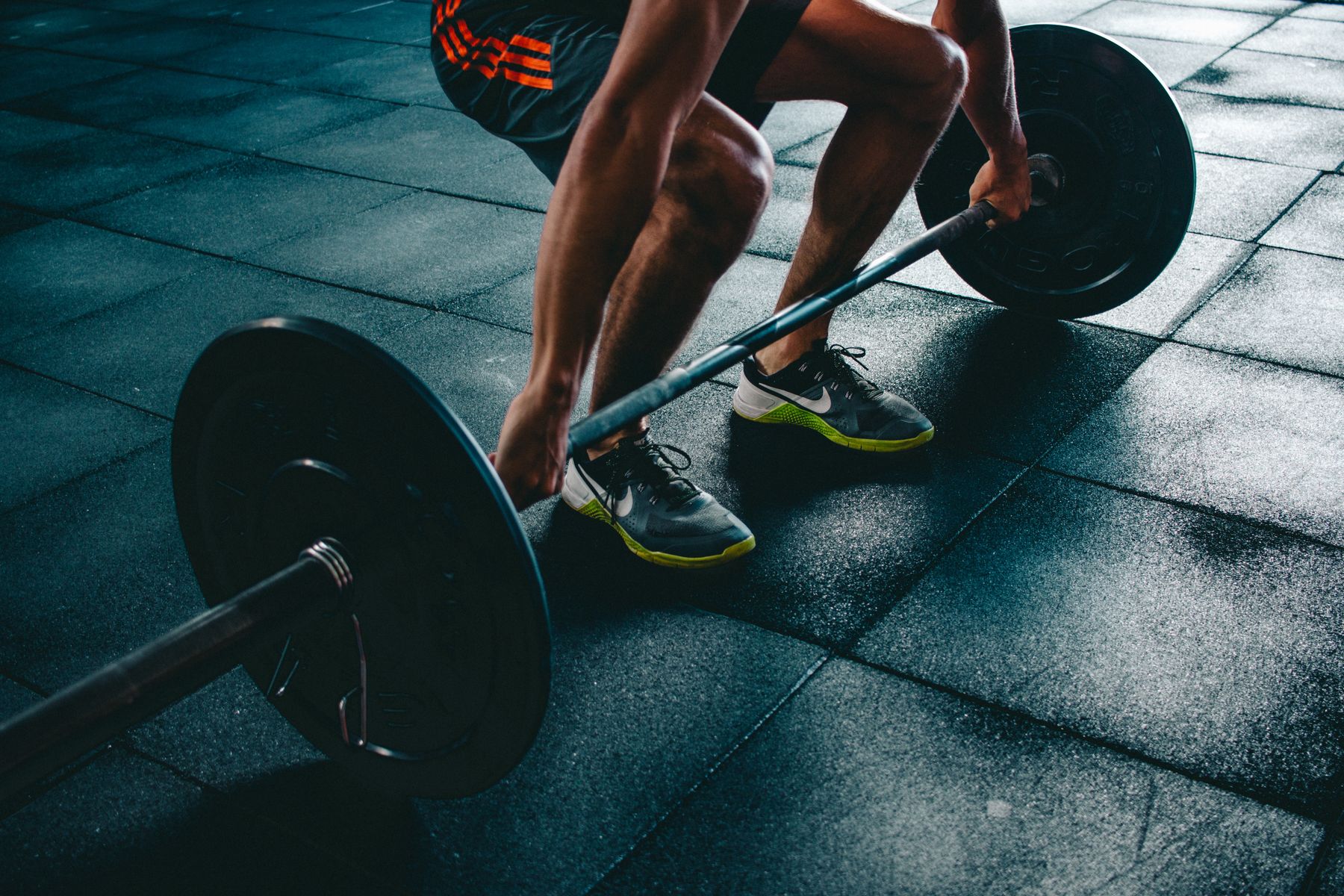
The most sustainable equipment is often the equipment that remains useful.
Longevity depends on product construction, training load, storage conditions, cleaning and how the equipment is used. While no product lasts forever, thoughtful care can help reduce premature replacement.
- 01 Match equipment to its intended use Do not expose yoga props, bands, rollers or supports to loads and conditions outside their normal purpose.
- 02 Clean surfaces regularly Remove sweat, dust and residue using methods appropriate for the product material and construction.
- 03 Store equipment correctly Keep products dry, supported and away from sharp edges, excessive heat or avoidable compression.
- 04 Inspect before use Check bands, straps, closures, handles, plates and support equipment for visible wear or structural change.
Choose, use, care and review
A more considered equipment lifecycle begins before checkout and continues through every training session.
Choose deliberately
Identify the movement, available space, storage needs and level of resistance or support required.
Before purchaseUse appropriately
Follow product instructions and avoid using equipment for loads, surfaces or movements it was not designed to handle.
During trainingMaintain consistently
Clean, dry, organize and inspect training tools as part of the normal post-session routine.
After useReplace responsibly
Stop using equipment that is structurally damaged and review locally available disposal or recycling options where applicable.
End of useful lifeOne well-chosen tool can support more than one routine.
Versatility does not mean every product must do everything. It means choosing equipment that can serve several relevant movements without adding unnecessary complexity to the setup.
- Resistance bands can support warm-ups, activation and controlled resistance work.
- Exercise mats can support core training, yoga, Pilates and stretching routines.
- Kettlebells can fit strength, conditioning and functional movement sessions.
- Yoga blocks and straps can support mobility, positioning and floor practice.
- Foam rollers can fit post-session routines across multiple training categories.
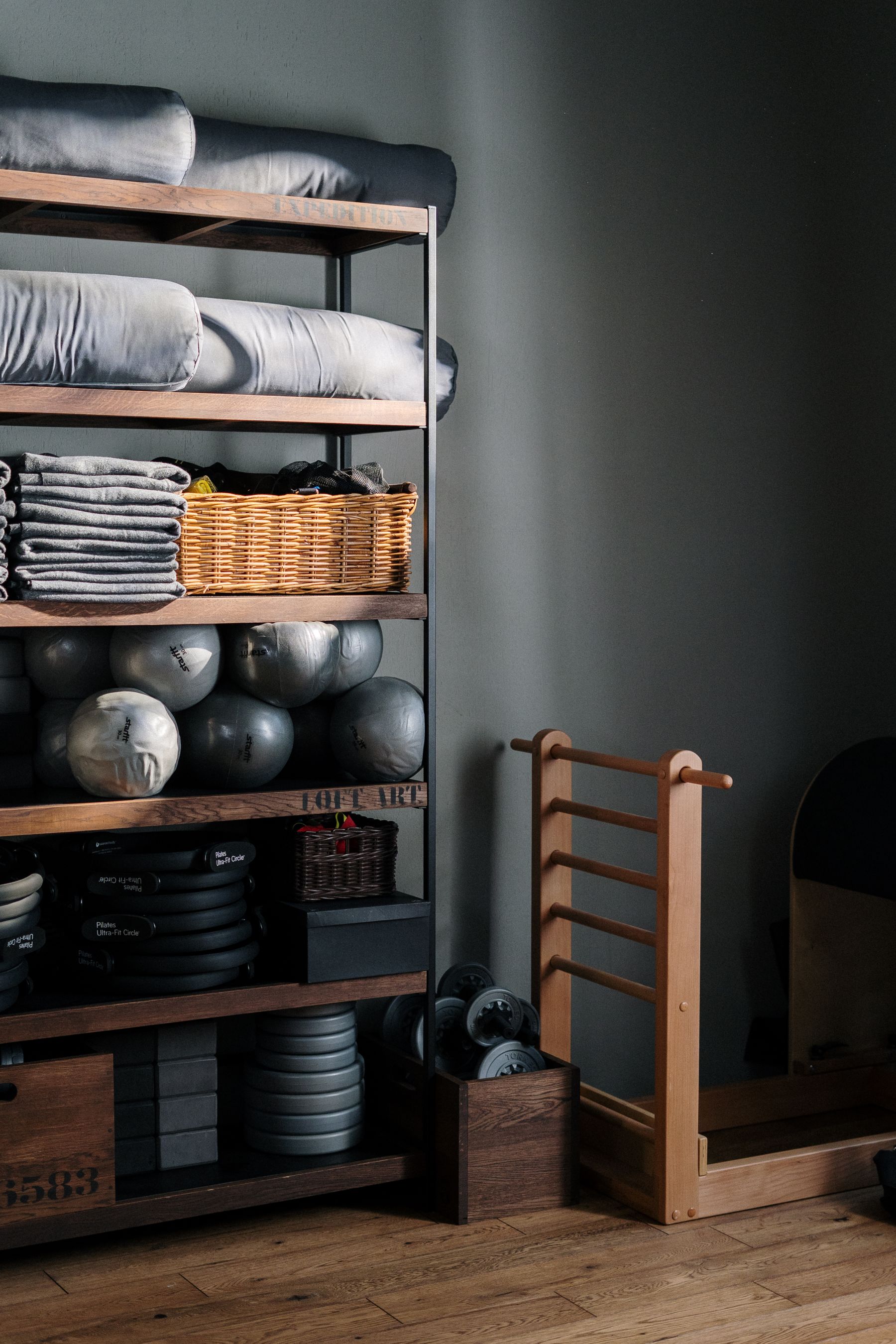

Protection should be appropriate, not excessive.
A weight plate, yoga mat, resistance band and massage ball have different dimensions, surfaces and handling requirements. Packaging decisions must first protect the equipment during normal transit, while leaving room to reduce unnecessary materials where practical.
- 01 Right-size where practical Packaging should reflect product dimensions and protection needs rather than using avoidably oversized space.
- 02 Separate when necessary Heavy equipment may need to travel separately from lighter accessories to reduce movement and surface damage.
- 03 Avoid unsupported material claims Packaging should not be described as recycled, recyclable or compostable unless that information is confirmed.
- 04 Review continuously Packaging methods can change as product dimensions, handling requirements and available materials develop.
Our current commitments
These are practical standards for how Trainora presents, supports and continues to review training equipment.
We focus on intended use, equipment category and training context rather than relying on vague environmental language.
We encourage cleaning, storage and inspection practices that can help reduce premature wear and unnecessary replacement.
We do not claim environmental certifications, testing standards or material attributes without supporting information.
We continue evaluating where category guidance, packaging details and product information can become clearer and more useful.
What we will not pretend
Responsible communication includes acknowledging limits. Fitness equipment can involve mixed materials, dense components and demanding transport requirements.
Dumbbells, mats, bands, rollers and supports can use very different constructions, so broad claims should not be applied across the entire range.
Reducing packaging cannot come at the expense of normal transit protection, especially for dense or surface-sensitive equipment.
Recycling and disposal availability depends on the product material and local services, so customers should check guidance in their area.
Sustainability is a continuing process of review rather than a finished status or a single statement applied permanently.
Sustainability FAQ
These answers explain the practical boundaries of Trainora's current sustainability approach.
Does Trainora claim that every product is sustainable?
How can I help my equipment last longer?
Is all Trainora packaging recyclable?
Why can an order arrive in more than one package?
How should damaged equipment be handled?
Does buying versatile equipment always reduce impact?
Can I ask about a specific product material?
Choose equipment that earns its place in your routine.
Explore Trainora equipment by training purpose, select what fits your space and care for each product according to its use. Thoughtful progress begins with fewer assumptions and clearer decisions.