
Home Gym Setup Ideas
Build a space for focused movement.
A useful home gym is not defined by how much equipment it holds. It is shaped by clear training priorities, comfortable movement space and equipment that supports the way you actually train.
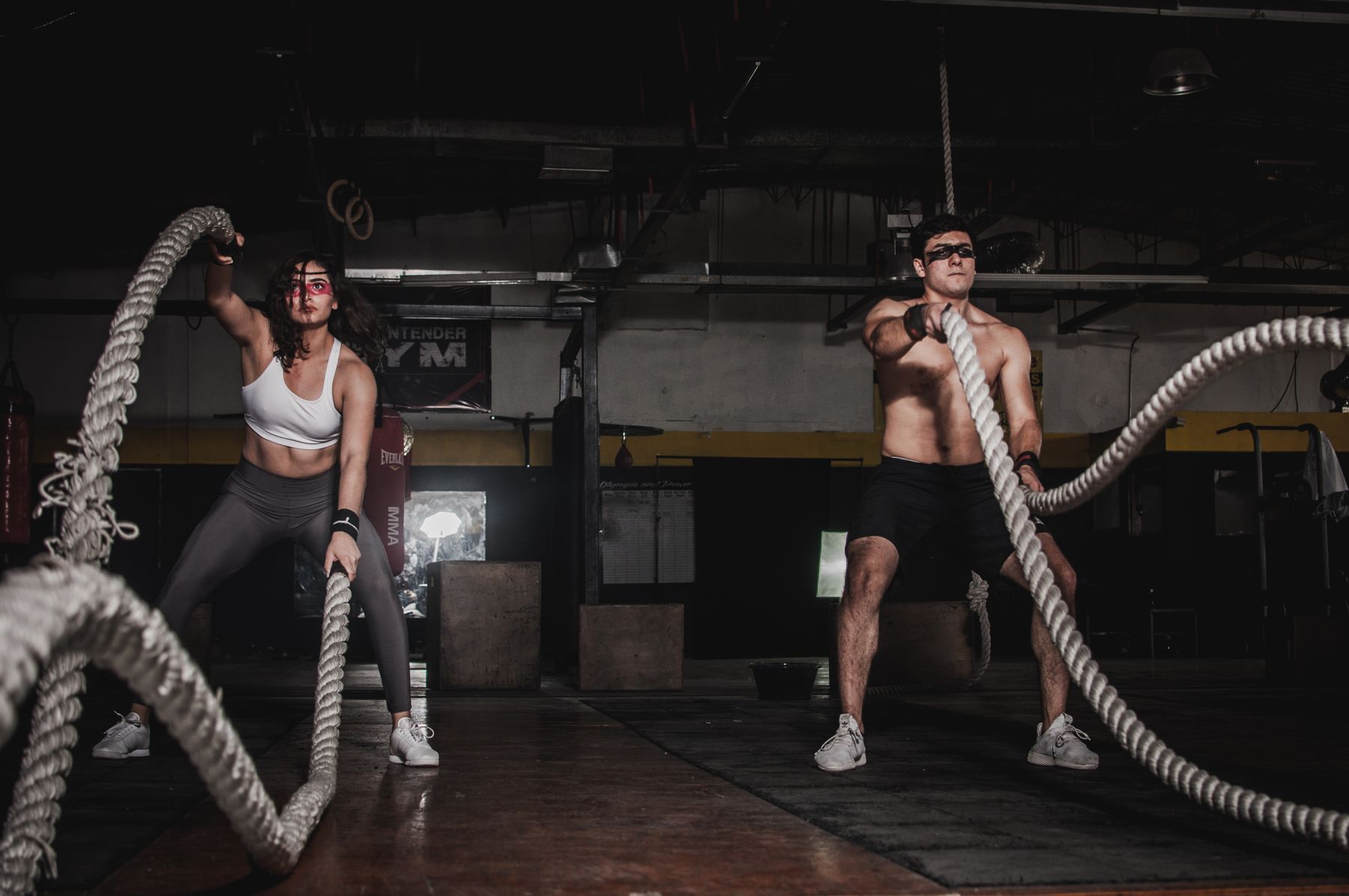
Leave enough open floor area to lift, step, stretch and transition between movements without rearranging the entire room.
Plan the space before choosing the equipment.
Measure the usable area, note doors and storage points, then map the movements you want to perform. This keeps the setup practical instead of crowded.
Measure the floor
Record the clear training area rather than the total room size. Include space needed to extend your arms, lie on a mat and move around equipment.
Protect movement range
Check overhead clearance, lateral reach and the path of resistance bands or jump ropes before assigning a training zone.
Plan simple storage
Keep frequently used pieces within easy reach. Store bands, ropes, gloves and recovery tools together so the room resets quickly.
Keep a clear route
Avoid placing equipment in doorways or narrow walkways. A direct path makes setup, training and cleanup feel more natural.
Choose a layout that matches your training rhythm.
These starting points can work in a spare room, bedroom corner, garage zone or shared living area. Begin with the essentials and add variety only when it supports your routine.
Compact strength corner
A focused setup for resistance work, core training and short conditioning sessions without filling the room.
- Adjustable or compact dumbbell selection
- Resistance bands and expanders
- Exercise mat for floor-based work
- Workout gloves or lifting straps as needed
Balanced training studio
A flexible layout that combines strength, conditioning, mobility and recovery in clearly organized zones.
- Dumbbells or kettlebells for loaded movement
- Jump rope, stepper or aerobic platform
- Yoga mat, blocks and stretching strap
- Foam roller and massage ball storage
Functional performance zone
An open setup for controlled power, coordination, balance and bodyweight-focused training.
- Medicine ball, slam ball or training sandbag
- Agility ladder and training cones
- Suspension or bodyweight trainer
- Balance and core training equipment
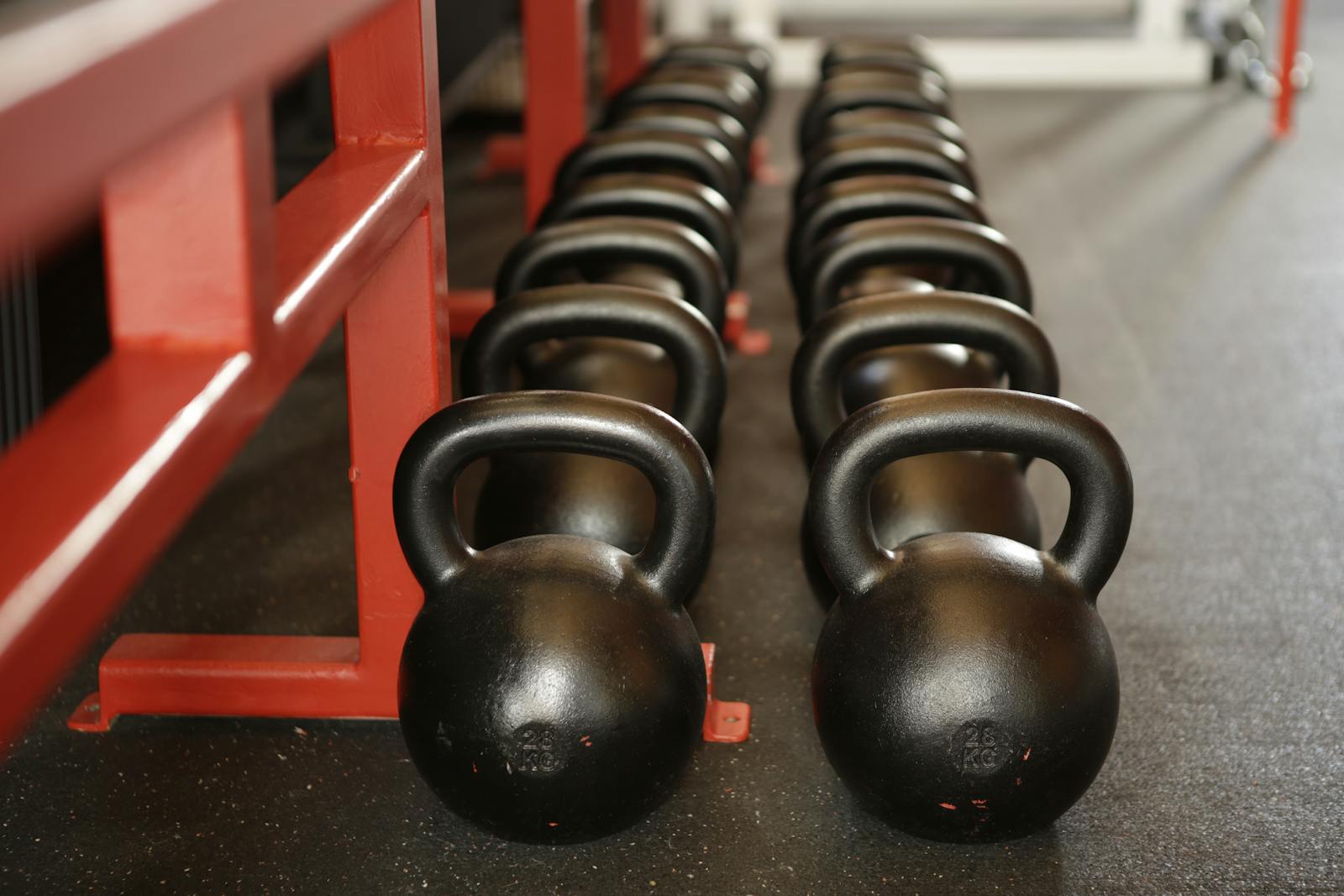
Keep loaded training organized and easy to access.
Place strength equipment near a stable wall or storage point while preserving enough room to lift from different positions. The goal is a clean training path, not a dense equipment display.
- Store dumbbells, kettlebells and plates so each piece can be reached without moving another item first.
- Leave a clear mat-sized area for presses, rows, core work and controlled floor transitions.
- Keep gloves, lifting straps and support accessories in one visible, easy-to-reset location.
Build around movement patterns, not product quantity.
A compact selection can support a broad routine when each item has a clear purpose. Use this framework to create a balanced starting point.
Make mobility and organization part of the setup.
A home gym feels more complete when preparation, mobility work and post-session reset have dedicated places rather than becoming afterthoughts.
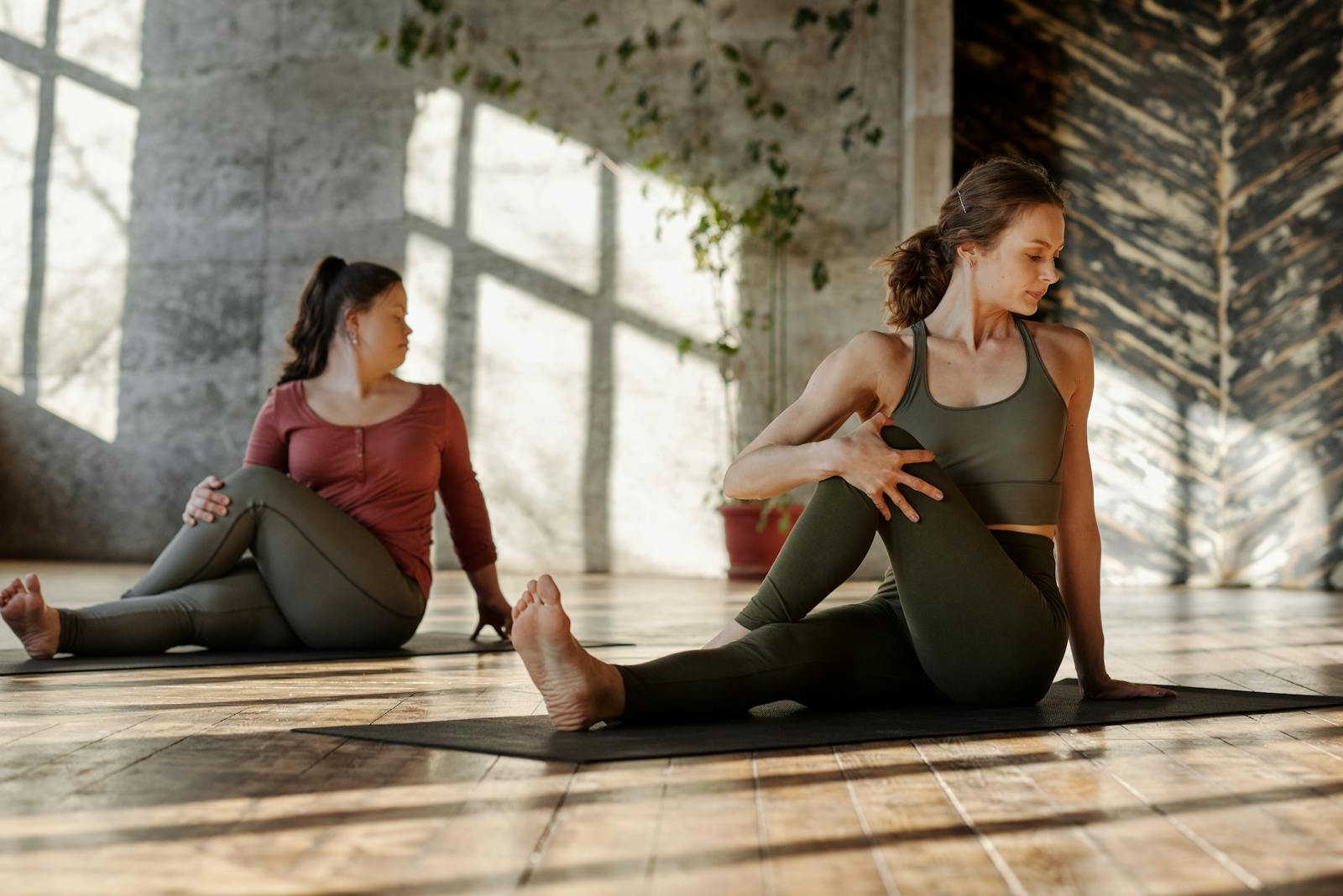
Mobility and floor-work area
Reserve a calm, uncluttered section for stretching, yoga, Pilates and controlled core work. Keep the mat, blocks, straps and smaller props together.
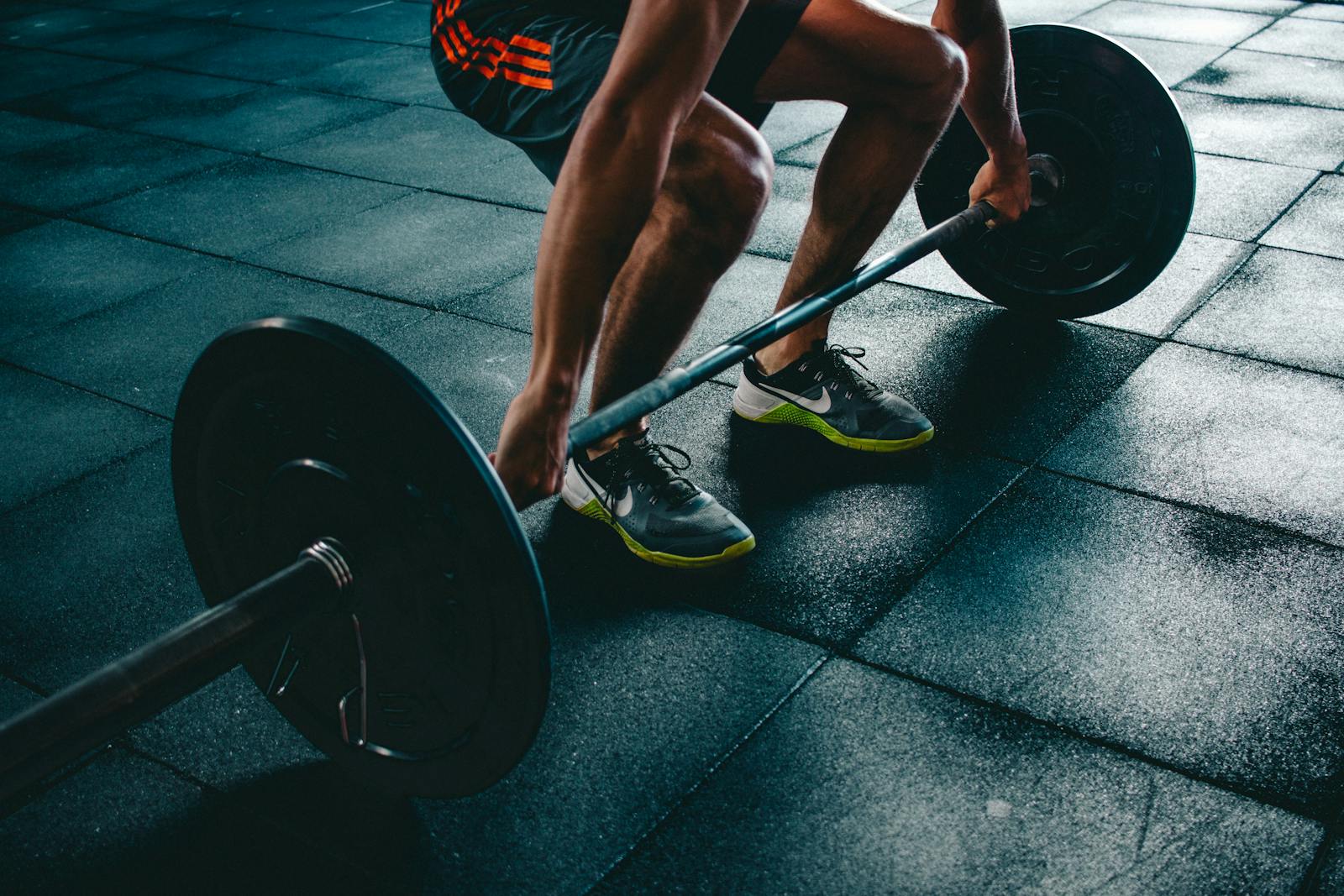
Visible and practical storage
Organize equipment by training use rather than size alone. A simple system makes it easier to prepare, move between exercises and return the room to order.
Let the setup develop with your routine.
Starting with fewer purposeful pieces gives you time to understand what the room needs. Add equipment when it creates a useful new training option.
Establish the base
Begin with equipment that supports your most frequent sessions and fits comfortably within the available floor area.
Add movement variety
Introduce conditioning, balance, mobility or recovery tools that complement the movements already in your routine.
Refine the organization
Adjust storage and equipment placement as your sessions evolve, keeping frequently used items accessible and the central floor clear.
Practical answers before you begin.
Keep the first version of your setup simple, adaptable and easy to maintain. A clear room with purposeful equipment is more useful than an overcrowded one.
How much space is needed for a basic home gym?
Which equipment should I choose first?
How can I combine strength and mobility in one room?
What is the best way to store small accessories?
Should I fill the room with equipment from the beginning?
Start with the equipment that supports your next session.
Explore strength, conditioning, functional movement, yoga, Pilates and recovery equipment for a home setup built around consistent progress.